
Understanding the Process of UN Sanctions Removal 948841609
- June 25, 2026
- Posted by: consultantvisanest@gmail.com
- Category: Uncategorized
Understanding the Process of UN Sanctions Removal
The removal of UN sanctions is a complex process that involves various legal, political, and diplomatic considerations. For entities seeking to lift these restrictions, understanding the nuances of UN Sanctions Removal is crucial. This article discusses the various factors influencing sanctions, the procedures for their removal, and the potential outcomes for nations or organizations affected by these measures.
What are UN Sanctions?
UN sanctions are measures imposed by the United Nations Security Council (UNSC) to enforce international law and maintain or restore international peace and security. Sanctions can take various forms, including economic restrictions, trade embargos, and asset freezes. They are typically implemented in response to violations of international norms, such as aggression, human rights abuses, or the proliferation of weapons of mass destruction.
Rationale Behind Sanctions
The rationale for imposing sanctions varies depending on the situation. For example, they can serve as a diplomatic tool to pressure governments to change objectionable behaviors. Sanctions may aim to restrict a nation’s access to financial resources, technology, or essential goods in order to compel compliance with international laws or demonstrate international disapproval.
Types of UN Sanctions
Understanding the different types of sanctions is vital for navigating the removal process:
- Comprehensive Sanctions: These are broad measures that prohibit a wide range of economic activities and trade with a targeted nation.
- Targeted Sanctions: Also known as smart sanctions, these focus on specific individuals, entities, or sectors, minimizing broader impacts on the general population.
- Military Sanctions: Arms embargoes that prevent the sale and transfer of military goods and services to a sanctioned state.
- Travel Bans: Restrictions that prevent specific individuals from traveling to or through certain countries.
The Process of Sanctions Removal
The removal of UN sanctions generally follows a structured process that involves several key stages:
- Assessment of Compliance: The affected country or entity must demonstrate compliance with the conditions set forth by the Security Council when sanctions were applied. This may involve allowing international inspections and adhering to specific agreements.
- Engagement with the UNSC: Diplomats or representatives of the affected nation usually engage with UN member states to gather support for sanctions removal. This often requires negotiation and dialogue.
- Formal Request for Removal: A formal request can be made to the UNSC, typically through a resolution process, to initiate a review of the sanctions imposed.
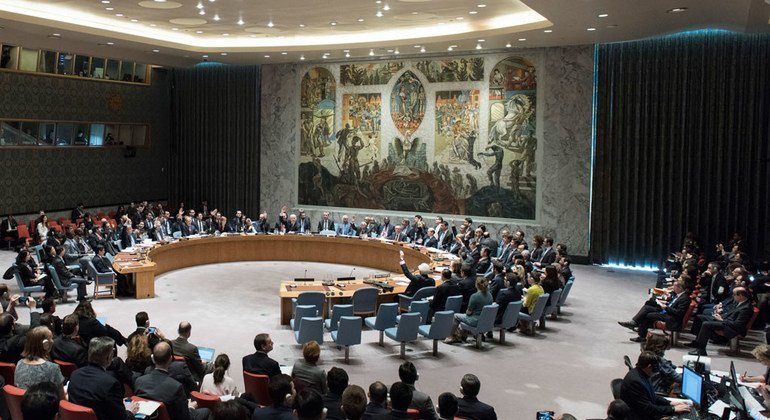
- Voting Procedure: The UNSC must vote on the proposed resolution for sanctions removal. A minimum of nine votes in favor is necessary, and no vetoes from any of the five permanent members (U.S., U.K., France, Russia, and China) can be cast against it.
- Implementation and Monitoring: Once the sanctions are lifted, the UNSC continues to monitor the situation to ensure compliance with international laws and obligations.
Challenges in the Sanctions Removal Process
Several challenges can impede the removal of sanctions, including:
- Lack of Trust: Previous violations can erode trust between the sanctioned nation and the international community, making it difficult to achieve consensus for removal.
- Opposing Political Interests: Different strategic interests among UNSC member states can lead to disagreements on whether sanctions should be lifted, often complicating the negotiation process.
- Geopolitical Dynamics: The interplay of international politics can significantly influence the sanctions regime, with some nations using the issue as a bargaining chip in broader diplomatic negotiations.
The Impact of Sanctions Removal
The removal of UN sanctions can have profound implications for the affected state or entity. Economically, it can restore access to international markets, financial systems, and trade opportunities, fostering growth and recovery. Politically, the removal can signal a shift in international relations and pave the way for improved bilateral or multilateral cooperation.
Case Studies in Sanctions Removal
Several notable case studies illustrate the complexities surrounding UN sanctions removal:
- Iran: Following years of negotiations, Iran reached the Joint Comprehensive Plan of Action (JCPOA) with world powers, resulting in the lifting of certain sanctions in exchange for commitments to limit its nuclear program.
- Libya: After the fall of Muammar Gaddafi, the UN lifted sanctions on Libya, recognizing the transitional government’s efforts towards national reconciliation and rebuilding. However, ongoing challenges in governance have since affected Libya’s stability.
- North Korea: Efforts to negotiate the denuclearization of the Korean Peninsula have seen fluctuating sanctions regimes, with significant political dynamics influencing the outcomes of the sanctions removal process.
Conclusion
Navigating the world of UN sanctions and their removal requires a sophisticated understanding of international law, diplomacy, and negotiation strategies. For states and entities facing sanctions, proactive engagement with the UNSC and compliance with international norms are essential steps toward achieving a resolution that restores their position in the global community. As geopolitical circumstances evolve, the processes and dynamics surrounding UN sanctions removal continue to present significant challenges and opportunities.