
Understanding Asset Freezes and Sanctions Implications for Human Rights
- June 25, 2026
- Posted by: consultantvisanest@gmail.com
- Category: Uncategorized
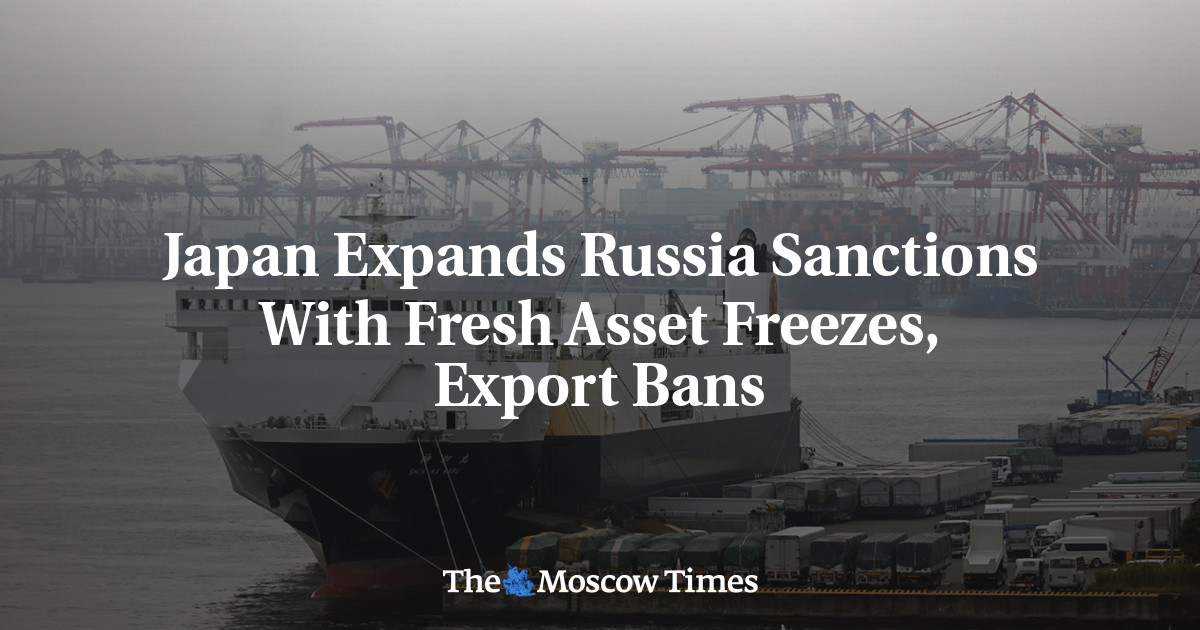
Understanding Asset Freezes and Sanctions: Implications for Human Rights
Asset freezes and sanctions are mechanisms often employed by countries and international organizations to exert pressure on governments, organizations, or individuals deemed to threaten peace, security, or human rights. The use of these legal instruments raises significant questions regarding their effectiveness, legality, and the ethical implications for human rights, especially when they affect innocent individuals. A Asset Freezes & Sanctions Human Rights Violations Human Rights Lawyer can provide insight into the complex legal framework surrounding these issues.
What Are Asset Freezes and Sanctions?
Asset freezes often refer to a legal measure that prevents individuals or entities from accessing their financial assets. Sanctions can encompass a broader array of actions, including trade restrictions, travel bans, and diplomatic measures. These tools are typically used in response to violations of international law, such as human rights abuses, aggression towards other states, or terrorism.
The Legal Framework Behind Asset Freezes and Sanctions
The legality of asset freezes and sanctions can be grounded in both domestic and international law. International entities, such as the United Nations (UN), have the authority to impose sanctions under specific circumstances, often framed by resolutions that must achieve a consensus among member states. Similarly, national governments can enact their own sanctions regimes in accordance with laws that govern foreign relations and national security.

The Impact on Human Rights
While the primary aim of sanctions and asset freezes is to pressure violators, they can have unintended consequences on the civilian population. For instance, sanctions targeting a specific regime may inadvertently harm innocent individuals who are not involved in any illegal activities. The repercussions can include economic downturns, decreased access to essential services, and a general deterioration in the quality of life for those who are already vulnerable. This raises critical ethical questions regarding the balance between enforcing international norms and safeguarding human rights.
Case Studies: Real-World Implications
To understand the implications of asset freezes and sanctions, it is instructive to examine specific case studies where these measures have been implemented. For instance, sanctions imposed on countries for human rights violations can lead to widespread poverty and suffering among the civilian population, as basic goods and resources become scarce. In countries like Venezuela and Iran, the impact of international sanctions has often been catastrophic, leading to malnutrition, healthcare crises, and mass displacement of people.
Legal Defenses Against Sanctions
Those facing asset freezes and sanctions may find legal recourse through a variety of channels. Legal challenges can be mounted in domestic courts or through international legal frameworks, advocating for the rights of individuals who have been unfairly targeted. Engaging a qualified Human Rights Lawyer is critical for navigating these complex legal battles. Such legal professionals can argue against the imposition of sanctions based on principles of due process, proportionality, and the right to a fair trial.
Human Rights Implications of the Due Process
A fundamental concern regarding asset freezes and sanctions is their potential to violate the principle of due process. Individuals subjected to sanctions often lack clear avenues for challenging these actions, creating a situation where their rights are infringed without adequate legal protections. The issues regarding transparency, accountability, and the opportunity for defense highlight a critical human rights dilemma in the execution of these measures.
Recommendations for Reform
In light of the adverse effects of asset freezes and sanctions on civilians, there is a pressing need for reform in how these measures are implemented and enforced. Recommendations include:
- Establishing clearer guidelines on the criteria for imposing sanctions, ensuring they are targeted and proportional.
- Implementing mechanisms for those affected to contest sanctions, ensuring that due process is respected.
- Offering humanitarian exemptions that allow for the provision of essential goods and services to civilians.
- Facilitating discussions between governments and affected populations to better understand impacts and needs.
The Role of Legal Professionals
Legal professionals play a vital role in advocating for the rights of individuals affected by asset freezes and sanctions. By providing expert legal advice, representing clients in court, and contributing to public discussions surrounding the ethical implications of sanctions, human rights lawyers can help navigate the complex landscape of international law and human rights.
Conclusion
Asset freezes and sanctions serve as critical tools on the international stage; however, they come with significant responsibilities and ethical considerations. To ensure that the rights of innocent individuals are protected, it is essential to refine the frameworks governing these measures. The involvement of legal professionals is crucial in advocating for transparent, fair, and humane applications of sanctions and asset freezes, thereby promoting justice and human rights on a global scale.