
The Impact of Plinko Peg Count on Gameplay Dynamics
- June 26, 2026
- Posted by: consultantvisanest@gmail.com
- Category: Uncategorized

The Impact of Plinko Peg Count on Gameplay Dynamics
The game of Plinko, known for its simple yet exhilarating mechanics, has caught the attention of many game enthusiasts around the world. Featuring a board with pegs and a slot where players drop a chip, the outcome of the game depends greatly on the configuration and number of pegs on the board. In this article, we will delve into the intricacies of how the count of pegs influences the overall gameplay dynamics, affecting outcome variability and player strategy. For an engaging experience, you can explore more about this fascinating game at Plinko peg count impact on outcomes https://plinko-game.co.nz/.
Understanding the Basics of Plinko
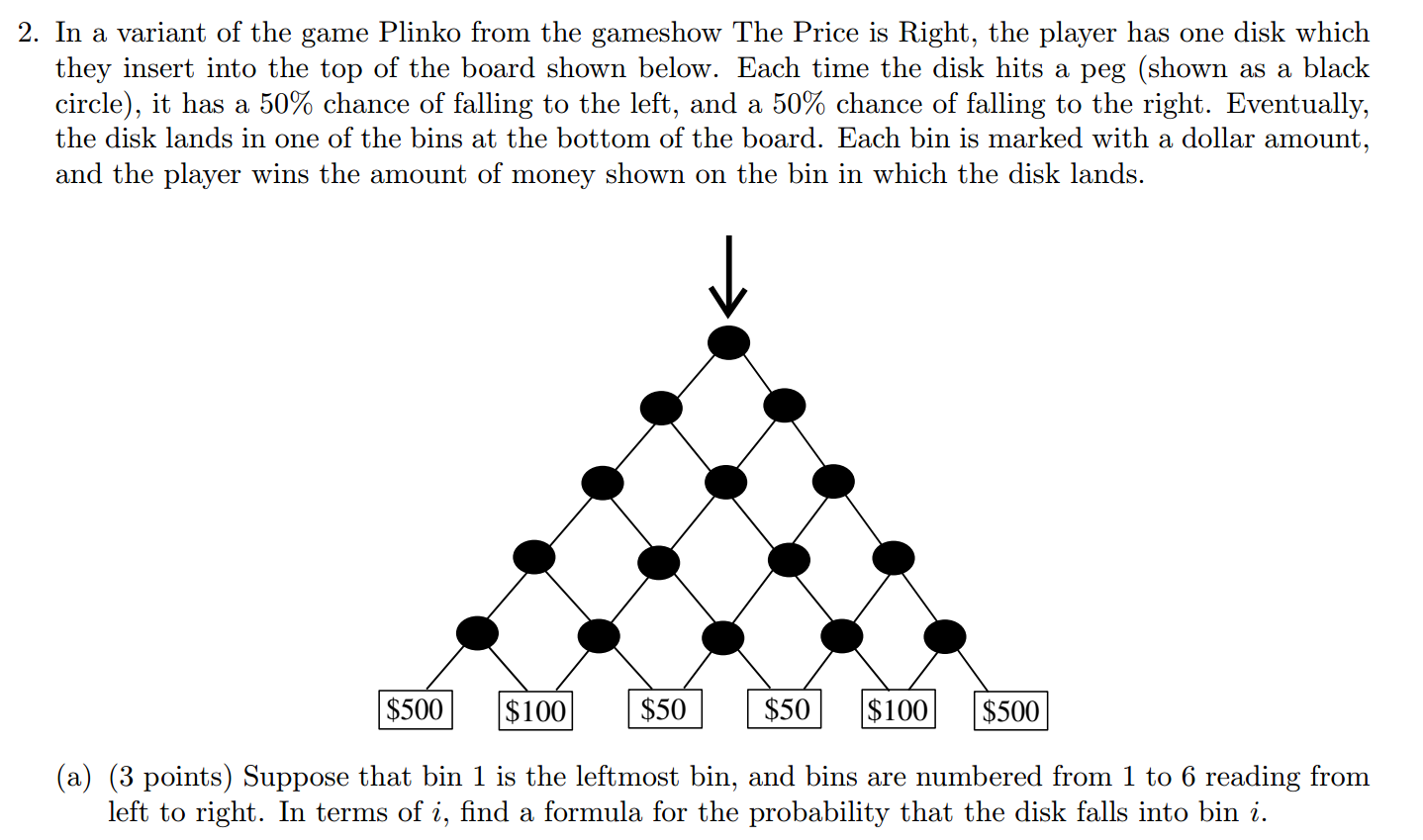
Plinko, made famous by the television game show “The Price is Right,” typically involves a board filled with a varying number of pegs arranged in a grid format. Players drop a disc from the top of the board, allowing gravity to pull it down, bouncing off the pegs and ultimately landing in a prize slot at the bottom. The arrangement of pegs significantly affects the behavior of the disc, creating a unique gameplay experience each time.
The Role of Pegs in Gameplay
Each peg on the Plinko board acts as a point of deflection for the disc. As the disc travels down, it hits multiple pegs, and each interaction changes its trajectory. Therefore, the number of pegs not only affects the potential outcomes but also introduces an element of unpredictability. Let’s break down how peg count influences game dynamics:

1. Outcome Variability
A board with a higher peg count generally leads to a wider range of potential outcomes. As the disc ricochets off more pegs, the number of pathways it can take increases, which may result in a greater variance of prizes. Conversely, a board with fewer pegs may produce more consistent outcomes but lacks the excitement that comes with unpredictability. Players may enjoy the thrill of seeing their disc bounce unpredictably across the board, leading to unexpected win scenarios.
2. Player Strategy
The count of pegs can also affect how players develop their strategies. On boards with more pegs, players may opt for a more conservative approach, dropping their disc from a position that maximizes the chances of landing in a higher-value slot and minimizing risk. In contrast, on boards with fewer pegs, players might feel encouraged to take more risks, as the probability of landing in predictable slots is higher. This interplay of risk and reward makes the number of pegs a critical factor in player strategy.
3. Excitement Level
For many, the excitement of Plinko comes from the anticipation of watching where the disc will land. When the peg count is high, the element of surprise is amplified, making the game more thrilling for players and spectators alike. The chaotic path of the disc hitting multiple pegs captivates attention and keeps players engaged. However, with fewer pegs, the predictability may lead to a less stimulating experience, decreasing interest over time.
Real-World Applications of Peg Count Dynamics
The principles seen in Plinko’s peg count dynamics can be applied to various fields beyond entertainment, including economics, risk management, and even behavioral psychology. Understanding how randomness and choice interact in games like Plinko can help in developing strategies in real-life scenarios where uncertainty plays a significant role.
1. Marketing Strategies
Businesses can learn from Plinko’s mechanics by creating promotional campaigns that leverage randomness. By incorporating elements of chance similar to Plinko, companies can enhance customer engagement, making promotions more appealing and exciting.
2. Decision Making
In decision-making scenarios, the concept of peg count can illustrate how many factors influence outcomes. Much like a Plinko game, making decisions with numerous variables (or “pegs”) can lead to more nuanced results. Understanding this can help individuals and organizations strategize better, particularly in uncertain environments.
Conclusion
In summary, the count of pegs on a Plinko board has a profound impact on the dynamics of gameplay, influencing outcome variability, player strategy, and overall excitement levels. By understanding these effects, players can engage with the game more thoughtfully, while also drawing parallels to broader decision-making landscapes where randomness and strategy intersect. As the popularity of Plinko continues to rise in both physical and digital formats, the significance of peg count remains a fascinating aspect worth exploring.