Understanding OFAC Sanctions Defense Best Practices and Strategies
- June 25, 2026
- Posted by: consultantvisanest@gmail.com
- Category: Uncategorized

Understanding OFAC Sanctions Defense: Best Practices and Strategies
In an increasingly interconnected world, the implications of sanctions imposed by the Office of Foreign Assets Control (OFAC) can have far-reaching consequences for businesses and individuals. Navigating the complexities of OFAC sanctions requires a comprehensive understanding of the regulatory framework and proactive defense strategies. For expert guidance, consider consulting an OFAC Sanctions Defense International Law Firm.
What are OFAC Sanctions?
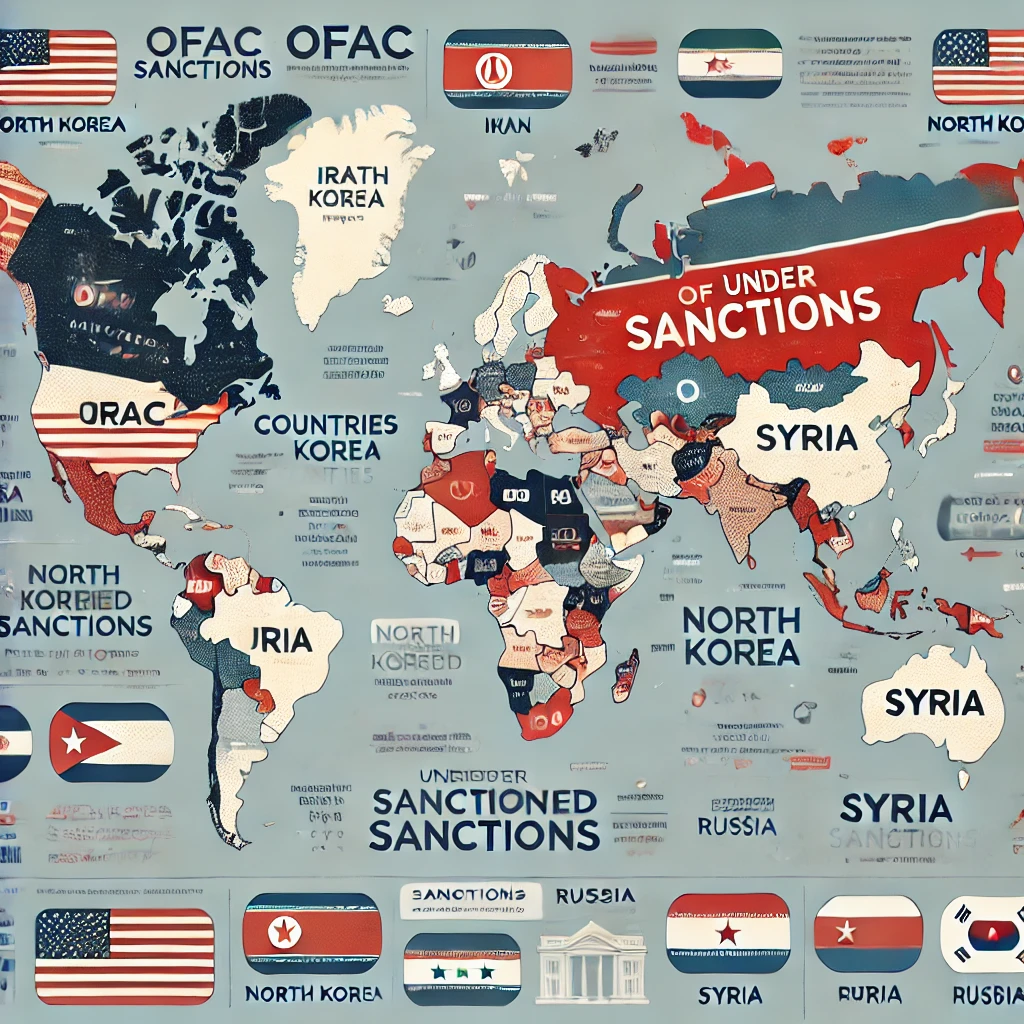
The Office of Foreign Assets Control (OFAC) is a bureau of the U.S. Department of the Treasury that administers and enforces economic and trade sanctions based on U.S. foreign policy and national security goals. OFAC sanctions can target specific countries, regimes, individuals, and entities involved in activities that threaten national security. This includes terrorism, drug trafficking, proliferation of weapons of mass destruction, and human rights violations.
.png)
The Importance of Compliance
For businesses operating in global markets, OFAC sanctions compliance is crucial. Non-compliance can result in severe penalties, including substantial fines, reputational damage, and even criminal prosecution. Adhering to OFAC regulations protects not only the business but also stakeholders and employees, ensuring a sustainable operational model.
Key Components of OFAC Sanctions
Understanding the key components of OFAC sanctions is fundamental for implementing an effective compliance program. These include:
- Types of Sanctions: Comprehensive sanctions prohibit all trade and financial transactions with designated countries, while targeted sanctions focus on specific individuals or entities.
- Lists of Sanctioned Parties: OFAC maintains lists, such as the Specially Designated Nationals (SDN) list, which identifies individuals and entities with whom U.S. persons cannot do business.
- Licensing: In certain circumstances, OFAC may issue licenses allowing specific transactions or activities that would otherwise be prohibited.
Developing a Robust Compliance Program
A robust compliance program is essential for mitigating risk and ensuring adherence to OFAC sanctions. Here are some best practices for developing such a program:
- Risk Assessment: Conduct a thorough risk assessment to identify potential exposure to sanctioned parties, countries, or goods.
- Policies and Procedures: Establish clear policies and procedures for compliance with OFAC regulations. This includes guidelines for screening transactions and customers against OFAC lists.
- Employee Training: Implement training programs to educate employees about OFAC sanctions, compliance responsibilities, and procedures for reporting potential violations.
- Monitoring and Auditing: Regularly monitor transactions and conduct internal audits to ensure compliance with established policies and identify any areas for improvement.
- Engagement with Legal Experts: Partner with legal professionals who specialize in sanctions compliance to stay updated on regulatory changes and best practices.
Key Challenges in OFAC Sanctions Defense
Despite the best efforts to comply with OFAC regulations, businesses may face several challenges:
- Rapidly Changing Regulations: Sanctions regulations can change frequently, requiring ongoing monitoring and adaptation of compliance programs.
- Ambiguity in Regulations: The language of sanctions laws can sometimes be vague, making it difficult for businesses to interpret their obligations.
- International Operations: Companies operating in multiple jurisdictions may face conflicting regulations, complicating their compliance efforts.
The Role of Legal Counsel in Sanctions Defense
Engaging with legal counsel experienced in OFAC sanctions can significantly enhance a company’s defense strategies. Legal professionals can provide critical insights into compliance obligations, help navigate investigations, and develop strategies to mitigate risks associated with potential sanctions violations.
Choosing the Right Legal Representation
When selecting legal counsel for OFAC sanctions defense, consider the following factors:
- Experience: Look for attorneys with a proven track record in sanctions defense and regulatory compliance.
- Industry Knowledge: Choose legal counsel familiar with your industry, as sector-specific regulations can affect compliance strategies.
- Reputation: Research the firm’s reputation and success in handling OFAC-related cases.
- Proactive Approach: Opt for attorneys who emphasize preventive measures and risk mitigation strategies over reactive responses to violations.
Conclusion
Navigating the landscape of OFAC sanctions requires vigilance, awareness, and strategic action. Developing a robust compliance program, understanding the intricacies of sanctions, and establishing strong legal support are crucial elements of an effective sanctions defense strategy. As global trade continues to evolve, staying informed and prepared is essential for businesses to thrive in the face of regulatory challenges. Forsuccessful navigation of these complexities, consider engaging with experts in the field, such as an International Law Firm.