
Optimal Button Placement in Chicken Road Demo Enhancing User Experience
- June 20, 2026
- Posted by: consultantvisanest@gmail.com
- Category: Uncategorized
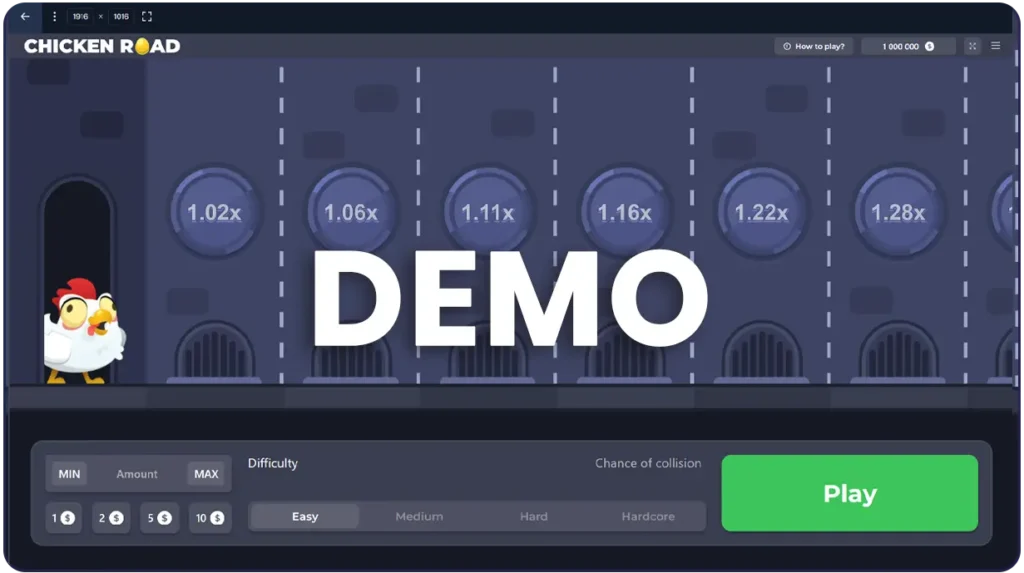
In the world of game design, user interface (UI) is one of the critical aspects of development, especially when it comes to the placement of interactive elements like buttons. In games like Chicken Road Demo Button Placement chickenroad-game.co.nz, the placement of the demo button can significantly influence user engagement and the overall gaming experience. This article explores the importance of optimal button placement, the factors influencing it, and best practices that can be applied to enhance user interaction and satisfaction.
Understanding the Importance of Button Placement
Button placement in a game is not just about aesthetics; it’s a key driver of user experience. Players’ attention fluctuates, and their ability to interact efficiently with the game interface can make or break their experience. The placement of demo buttons, which allow potential players to try out the game, should be carefully considered to attract users and facilitate an enjoyable experience.
User Engagement
Effective button placement can enhance user engagement by simplifying the interaction process. A demo button that is hard to find may result in users abandoning the game before they even experience what it has to offer. Therefore, strategically positioning the demo button to be readily visible and accessible is crucial for maximizing user engagement.
Usability and Accessibility
Usability refers to the ease with which users can navigate through the game and the clarity of the actions they can take. A well-placed demo button should be intuitive, situated where users expect to see it. Furthermore, accessibility is about making sure all users, including those with disabilities, can easily interact with game elements. For example, ensuring that buttons are of an adequate size and contrast can greatly affect usability.
Factors Influencing Button Placement
When determining the ideal placement of the demo button in Chicken Road, several factors must be taken into account:
1. User Journey
The user journey outlines the steps a player takes from discovering the game to actually playing it. Analyzing this journey can provide insights into where the demo button should be positioned for maximum visibility. The button should ideally be placed at a point when users are most interested in engaging further with the game.
2. Visual Hierarchy
The arrangement of visual elements on the screen influences how users perceive the interface. Buttons should stand out and be easy to spot among other elements. Employing contrasting colors, size differentiation, and strategic placement can guide the user’s attention toward the demo button.
3. Game Genre and Audience
Understanding the target audience and the genre of the game can significantly affect button placement. For instance, casual gamers might prefer a more prominent and accessible demo button versus hardcore gamers who may appreciate subtler design elements. Tailoring the placement to the audience’s preferences helps to improve overall satisfaction.
Best Practices for Demo Button Placement
Implementing research-backed best practices can lead to successful button placement in Chicken Road:
1. Above the Fold
Placing the demo button ‘above the fold’—the area of a webpage that is visible without scrolling—ensures instant visibility. Users tend to engage with what they see first, making this placement strategic for increasing demo button clicks.
2. Grouping Related Actions
Placing the demo button next to related actions, like ‘Start Game’ or ‘Features’, creates a cohesive section for user actions, making it easier for users to identify their choices without confusion.
3. Consistency Across Platforms
The button placement should remain consistent across various platforms and devices—whether it’s on mobile, tablet, or desktop. This uniformity helps in building familiarity for returning players and improves overall navigation.
4. Use of Tooltips and Indicators
Incorporating tooltips can provide extra context for what the demo button does, instilling confidence in users to engage. Indicators like animations or color changes can also draw attention to the demo button when the user hovers over it.
Measuring the Effectiveness of Button Placement
To determine the success of demo button placement, developers can utilize various metrics:
1. Click-Through Rate (CTR)
The CTR measures how often users click on the demo button compared to how many have seen it. A low CTR might indicate that the button is poorly placed or inconspicuous.
2. Heatmaps
Heatmap tools can visually represent where users are clicking most often

on a page. Analyzing heatmaps can provide valuable insights into user behavior and preferences, highlighting the effectiveness of button placement.
3. User Feedback
Engaging with users for feedback can provide qualitative data about their experience with the demo button. Surveys can reveal whether players encountered any difficulties in finding or interacting with the button.
Conclusion
Overall, the placement of the demo button in Chicken Road is a fundamental aspect of the game’s design that requires careful consideration. By focusing on user engagement, usability, and optimizing placement based on user journey and visual hierarchy, developers can create a more inviting experience. Applying best practices and regularly measuring effectiveness ensures the demo button serves its purpose in enticing users to explore the game further. In the continually evolving landscape of game design, thoughtful button placement can significantly impact user acquisition and retention, establishing a strong foundation for success.